Wood Worky: Elevating Design with a Handcrafted Font
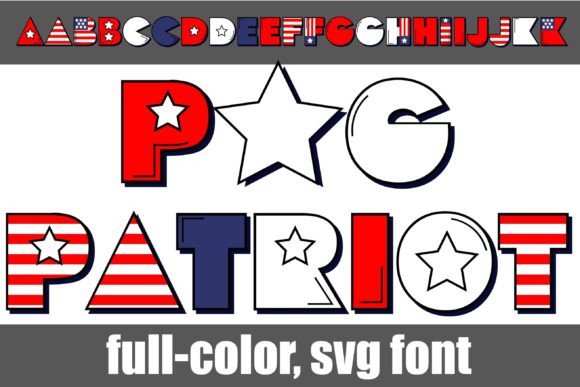
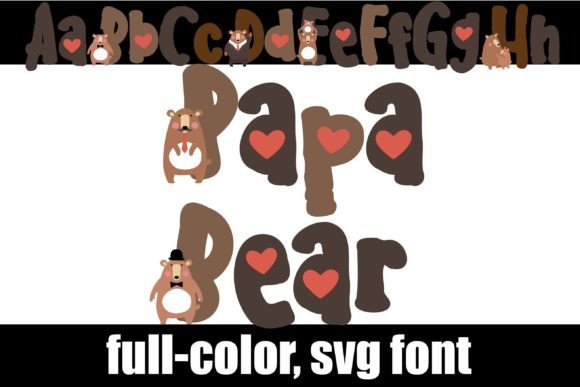
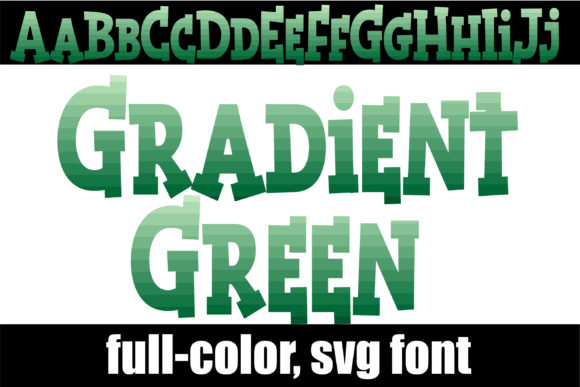
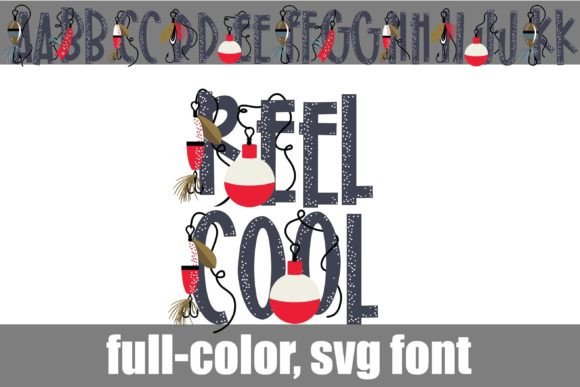
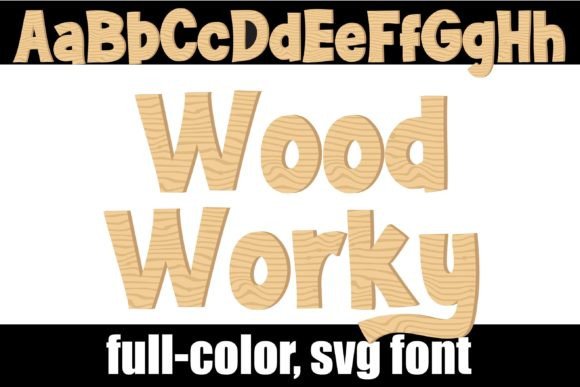
In a digital landscape saturated with clean, uniform vectors, a touch of organic texture can make your design stop the scroll. Wood Worky is a full-color font that delivers exactly that, offering a stunning, three-dimensional lettering style crafted entirely from wood grain and shadow. It’s more than just a typeface; it’s a complete visual asset that injects immediate personality and warmth into any project.
As a professional designer, your toolkit is your superpower. Integrating a resource like Wood Worky allows you to bypass complex texturing and 3D modeling processes. You get the visual impact of a custom, handcrafted element with the efficiency of a standard font. This SVG color font renders with realistic wood textures and subtle shadows directly in your design software, creating a powerful focal point for headlines, logos, and display text.
Practical Applications for Modern Design
The true value of a creative asset lies in its versatility. Wood Worky’s unique aesthetic opens up a range of applications across various design disciplines, helping you communicate themes of authenticity, craftsmanship, and rustic charm.
Strengthening Brand Identity
For brands that want to convey a handmade, artisanal, or sustainable ethos, this font is a game-changer. It’s perfect for creating a memorable logo or wordmark for businesses in the food, craft, outdoor, or boutique retail sectors. The inherent texture adds a layer of trust and quality, telling a brand story before a single line of copy is read.
Enhancing Marketing & Digital Content
From social media graphics to digital advertising, Wood Worky commands attention. Use it for impactful call-to-action buttons, promotional banners, or event posters. Its visual weight ensures your message stands out in a crowded feed, improving click-through rates and engagement. It’s equally effective in website hero sections and UI elements for projects that aim for a modern yet organic feel.
Editorial and Packaging Design
In print, the font shines in editorial layouts for magazines or book covers, adding a tactile quality to the page. For packaging design, it’s a natural fit. Imagine a coffee bag, a craft beer label, or a gourmet product box using Wood Worky—the typography instantly communicates the product’s handcrafted nature, enhancing shelf appeal and perceived value.
Working with Color Fonts: Key Considerations
Adopting new technology into your design workflow requires a bit of know-how. Here are essential tips for using Wood Worky and other OpenType color fonts effectively:
- Software Compatibility is Crucial: Color fonts (SVG) display as standard black text in many programs. To see the full-color effect, you must use compatible software like Adobe Illustrator, Photoshop, InDesign, Silhouette Studio, or Quark. Always test your final output.
- Install Like Any Font: Simply install the .OTF file using FontBook on a Mac or your preferred font manager on Windows. It will then appear in your font list.
- Readability and Hierarchy: Due to its detailed texture, Wood Worky is best suited for headlines, logos, and short phrases. For body text, pair it with a clean, simple sans-serif to maintain readability and establish a clear visual hierarchy.
- Color and Background: The font’s built-in color palette is fixed. For the best results, place it against a solid, contrasting background. Avoid busy or overly colorful backdrops that could compete with the font’s intricate details.
- Scalability: As a vector-based color font, it scales well, but the fine wood grain details may become less visible at very small sizes. Use it at a larger point size to maximize its visual impact.
Thoughtful typography is a cornerstone of effective visual communication. Choosing a font like Wood Worky isn’t just an aesthetic decision; it’s a strategic one that aligns your design with a specific mood and message. By leveraging high-quality, specialized creative assets, you can streamline your workflow, push creative boundaries, and deliver professional presentations that resonate deeply with your audience. Ultimately, the right design elements do more than decorate—they clarify, convince, and connect.