Root Beer Font: Bubbly Typography for Bold Designs
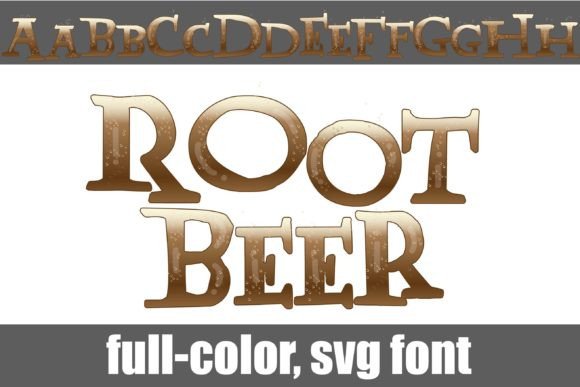
Imagine a design element that instantly evokes a sense of playful nostalgia and effervescent fun. This is the power of the Root Beer font, a full-color typeface that captures the iconic, carbonated style of a classic soda. Unlike standard fonts, this OpenType SVG (Scalable Vector Graphics) font brings a unique, textured visual identity to any project, making it a standout asset for graphic designers seeking to inject personality and visual interest into their work.
Understanding This Colorful Typography Asset
The Root Beer font is more than just letters; it's a complete visual style. Designed to mimic the look of root beer with visible carbonation bubbles and rich, warm tones, it functions as a creative asset that bridges typography and illustration. As an OpenType full-color font, it is installed like any standard .otf file, typically through FontBook on Mac or a font manager/Control Panel on Windows. It’s crucial to note that while these fonts install easily, their vibrant colors only display in compatible software. Programs like Adobe Illustrator, Photoshop, Inkscape, Quark, and Silhouette Studio fully support this technology. In non-compatible applications, the font will render in a solid black silhouette, so always test it within your design workflow.
Practical Applications in Modern Design
Integrating a specialized typeface like Root Beer can significantly enhance various creative projects. Its unique aesthetic is particularly effective for designs aiming to stand out with a retro, whimsical, or artisanal feel.
- Branding and Logo Design: Perfect for food and beverage brands, vintage-themed cafes, craft soda companies, or children's products. It instantly communicates a specific mood and can become a cornerstone of a memorable brand identity.
- Marketing and Social Media: Use it for headlines in social media graphics, promotional posters, or email marketing banners to grab attention. The playful texture increases engagement and shareability.
- Packaging and Editorial Design: Ideal for product labels, menu headers, magazine titles, or book covers where a touch of character is needed to tell a visual story.
- Digital Products and UI Elements: Can be used sparingly for button labels, icons, or splash screens in app design to create a delightful user experience, provided it doesn't compromise readability.
Tips for Effective Implementation
To leverage this asset effectively within your design workflow, consider these practical guidelines:
- Prioritize Readability and Hierarchy: Due to its decorative nature, Root Beer is best used for headlines, logos, or short call-to-action text, not for body copy. Pair it with a clean, neutral sans-serif or serif font to maintain visual hierarchy and ensure your message is clear.
- Consider Your Audience and Context: Evaluate if the playful, retro style aligns with your client's brand personality and the expectations of their target audience. It works brilliantly for casual, family-oriented, or creative industries but may not suit formal corporate communications.
- Ensure Technical Compatibility: Always confirm your design software supports color fonts before finalizing a project. Test the font in your environment to avoid unexpected black silhouettes in the final output.
- Harmonize with Your Color Palette: While the font has its own built-in colors, ensure the surrounding design palette complements its warm browns and creamy highlights to create a cohesive and polished visual presentation.
Thoughtful typography is a cornerstone of effective visual communication. Selecting a quality creative asset like the Root Beer font allows designers to move beyond generic solutions and craft experiences that resonate emotionally with viewers. By understanding its capabilities and applying it with strategic intent, you can transform ordinary layouts into engaging narratives, strengthen brand recall, and deliver designs that are both aesthetically pleasing and functionally sound. In the ever-evolving landscape of graphic design, such distinctive tools are invaluable for creating work that truly connects.