Fifties Dad: Vintage Typography with Modern Impact
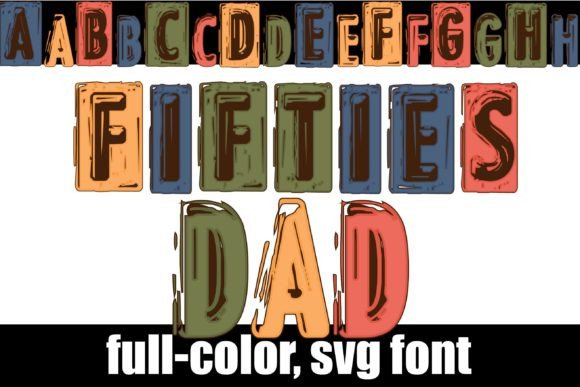
Imagine a typeface that captures the bold, optimistic spirit of mid-century Americana, yet operates with the full-spectrum capability of modern design software. Fifties Dad is precisely that—a full-color font that brings a distinctive, textured punch to any creative project. Its blocky, sans-serif letterforms appear as if meticulously punched from tin, offering a tactile, nostalgic quality that immediately commands attention and sets a unique visual tone.
Understanding the Unique Appeal of Color Fonts
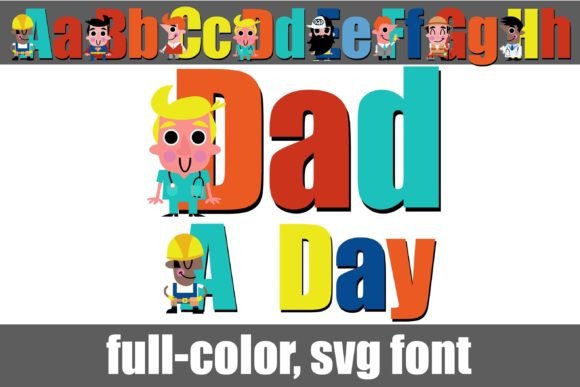
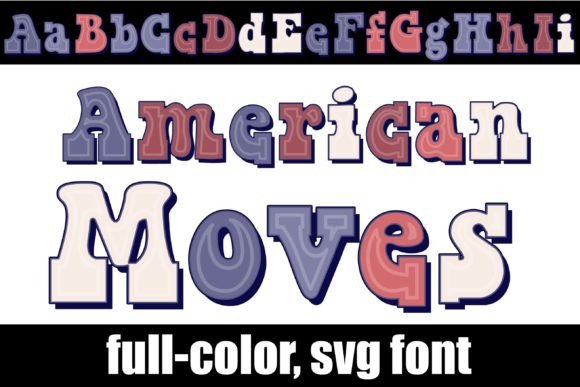
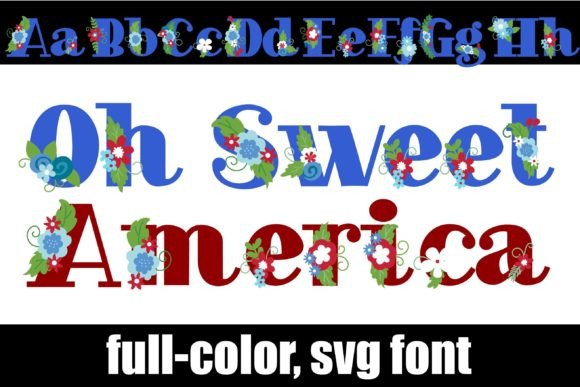
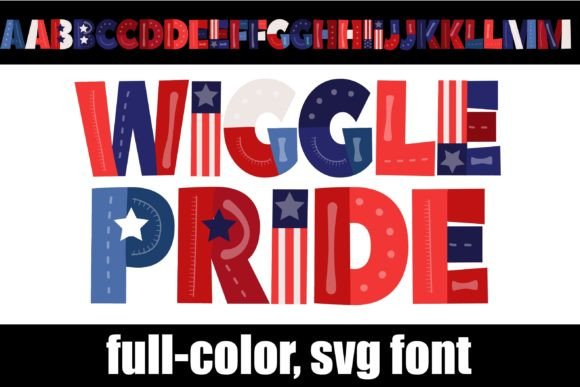
Unlike standard fonts that rely on a single color, Fifties Dad is an OpenType full-color (SVG) font. This means each letter is a pre-colored graphic, complete with gradients, textures, and multiple hues embedded directly into the font file. This innovation is a game-changer for graphic design, allowing for complex, multi-colored typography without the need for manual layering or effects in post-production. The result is a more efficient design workflow and incredibly consistent visual output.
Installation is straightforward, treating it like any standard .otf file via FontBook on Mac or your preferred font manager on Windows. It's crucial to note, however, that compatibility is key. While these fonts will default to black in non-supportive programs, modern design software like Adobe Illustrator, Photoshop, Silhouette Studio, Quark, and Inkscape fully support their vibrant display. You'll know it's working when the color appears as you type on your canvas, not just in the font preview window.
Practical Applications for Visual Storytelling
The true value of a typeface like Fifties Dad lies in its application. It excels in projects where personality and visual hierarchy are paramount. Its retro charm is not merely decorative; it communicates a specific feeling of authenticity, fun, and craftsmanship that can profoundly strengthen a brand identity.
Branding and Logo Design
For brands targeting a nostalgic, handmade, or uniquely American aesthetic, this font becomes an instant logo solution. It injects character into wordmarks for craft breweries, vintage apparel lines, classic barbershops, or retro-themed eateries. The built-in color and texture eliminate guesswork, ensuring the logo design is both impactful and production-ready.
Marketing and Social Media Content
On social media, where grabbing attention in a split second is critical, Fifties Dad is invaluable. Use it for eye-catching headlines in social media graphics, promotional banners, or video thumbnails. Its bold presence ensures your message cuts through the noise, making it ideal for digital marketing campaigns, event posters, and advertising materials that aim for a fun, accessible, or vintage-inspired vibe.
Packaging and Product Design
In packaging design, typography tells a story on the shelf. This font is perfect for labels on artisanal foods, craft sodas, or specialty goods. Its textured, punchy look conveys a sense of tradition and quality, enhancing the product's perceived value and creating a memorable unboxing experience that aligns with modern design trends favoring authenticity.
Integrating a Distinctive Font into Your Design System
Adopting a powerful typeface requires thoughtful integration. To use Fifties Dad effectively, consider its role within your broader visual design system. It pairs best with simple, neutral companion fonts for body text to maintain readability and prevent visual clutter. Use it as a strategic accent for headlines, logos, or calls to action where its full-color impact can shine without overwhelming the viewer.
Always test for scalability and context. While perfect for digital screens and large-format prints, its detailed, multi-colored nature may require simplification for very small applications, like favicon icons. Furthermore, ensure its vintage aesthetic aligns with your target audience and project goals—it's a powerful tool for evoking specific emotions and memories, which is a cornerstone of effective visual communication.
Ultimately, incorporating a resource like Fifties Dad into your toolkit is about expanding your expressive range. In the realm of creative projects, from editorial design to merchandise, having access to high-quality, specialized assets allows you to solve visual problems more creatively and efficiently. It underscores a fundamental principle in professional design: the right tool, chosen with intent, doesn't just decorate—it communicates, engages, and elevates the entire project to a more polished and compelling level.